



What is HbA1c?
 Written by Dr Robin Wang
Haemoglobin is the protein inside red blood cells that carries oxygen. Glucose in the blood attaches to it slowly and stays attached for the rest of the cell's life. HbA1c is the measure of how much haemoglobin is carrying glucose in this way.
Why does HbA1c matter?
Glucose attaches in proportion to how much of it is around, so HbA1c is a record of exposure rather than of the moment blood was drawn. Sustained contact with glucose is what damages the small blood vessels of the eyes, kidneys and nerves over years.
How does HbA1c relate to other markers?
Fasting Glucose measures the sugar at one moment, and Fasting Insulin and HOMA-IR measure the insulin holding that sugar down. Haemoglobin and MCV, the average red cell size, describe the cells themselves rather than the glucose attached to them, and how long those cells last shapes what HbA1c records.
What affects HbA1c?
Carbohydrate intake and the body's sensitivity to insulin shape HbA1c over months. Anaemia works differently, shortening red cell life so there is less time for glucose to accumulate. Inherited haemoglobin variants change the protein the test measures, and pregnancy and kidney or liver disease change how long red cells last, so each can move HbA1c when glucose has not.
Why Do Health tests HbA1c three times a year
HbA1c cannot move faster than red blood cells are replaced. They survive around 120 days, so the measure reflects roughly the previous two to three months, and a single unusual week does not shift it. Testing about every four months means each measurement covers most of the stretch since the last one, so the year is read in consecutive spans rather than from a single point. This is Do Health's monitoring schedule, not a general recommendation for everyone.
How does my HbA1c compare?
36% of other users’ HbA1c results are rated below Good.
- Optimal22%
- Good42%
- Acceptable28%
- Poor9%
Source
Use of Glycated Haemoglobin (HbA1c) in the Diagnosis of Diabetes Mellitus: Abbreviated Report of a WHO Consultation
pubmed.ncbi.nlm.nih.govReviewed
Dr Robin Wang · 01/10/2026
British physician, Clinical Lead at Do Health

More in Blood sugar
The level of insulin, the hormone that moves sugar out of the blood, after eight hours without food.
Learn more about Fasting InsulinBlood sugar after eight hours without food.
Learn more about Fasting GlucoseA score that shows how well the body responds to insulin.
Learn more about HOMA-IROne membership.
Life-changing results.
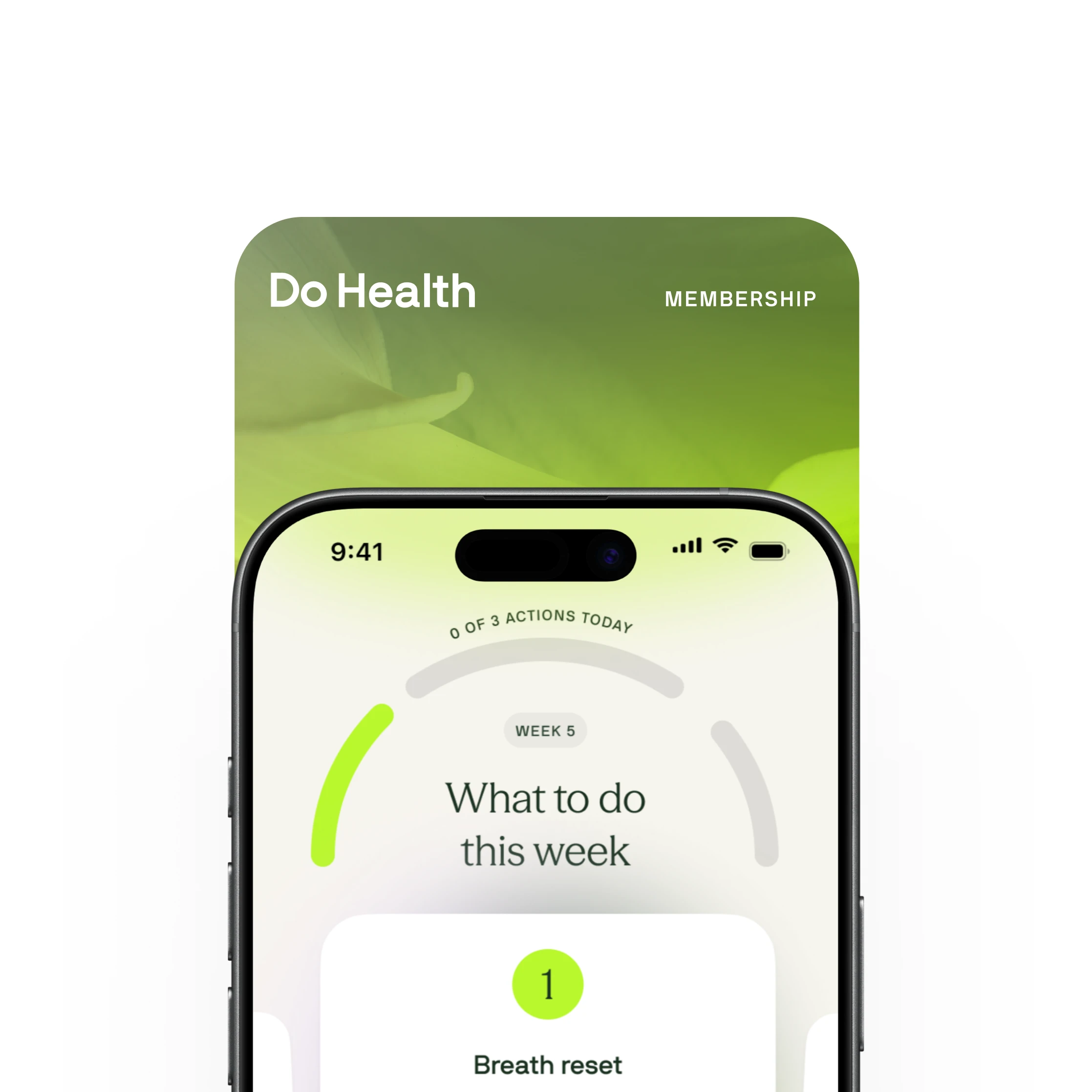
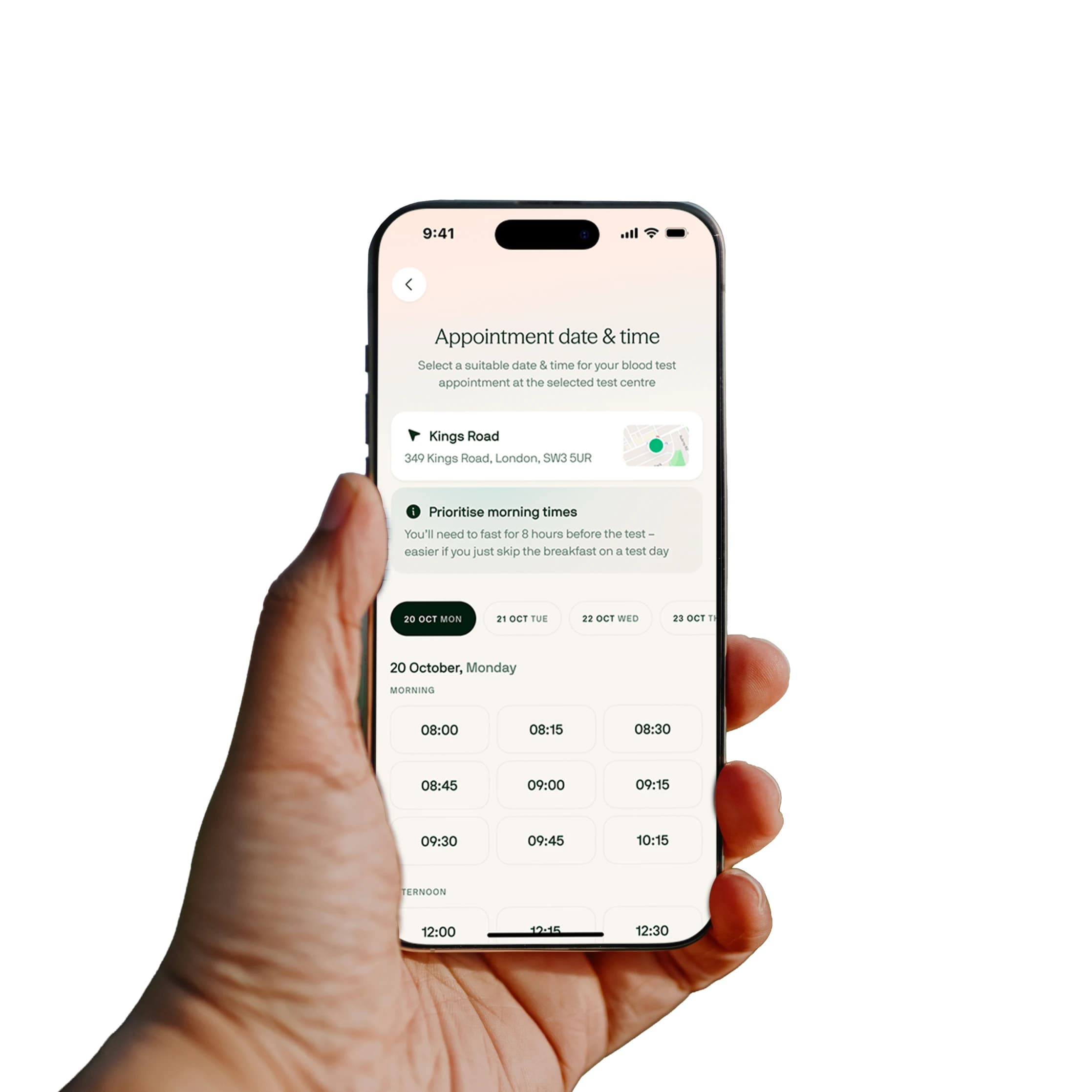


Do Health membership


Know your body.
Own your health.
See what your biomarkers mean, what to focus on, and how your health changes over time.