



What is Vitamin D?
 Written by Dr Robin Wang
Most vitamins have to come from food. Vitamin D does not: the body makes most of its own supply in skin exposed to summer sunlight, and takes in only a smaller amount from what is eaten. A blood test measures 25-hydroxyvitamin D, the form vitamin D circulates as.
Why does Vitamin D matter?
Vitamin D controls how much calcium and phosphate the gut absorbs from food, which is what allows bone to mineralise and hold its strength. Sustained deficiency shows up in bone and muscle, as rickets in children and osteomalacia in adults.
How does Vitamin D relate to other markers?
Calcium and Phosphate are the minerals whose absorption vitamin D governs, and all three are read together as one account of supply to bone. ALP is an enzyme that bone-building cells release as they work, so it rises when bone is actively laying down the minerals vitamin D has supplied.
What affects Vitamin D?
Sunlight on skin does most of the work, and in the UK it is strong enough for that only between about April and September. Skin tone, clothing, time outdoors and sunscreen all change how much of that sunlight reaches the skin. Food contributes modestly, mainly oily fish, eggs and fortified products, alongside any supplements taken. Body weight matters too: vitamin D dissolves in fat, so the more fat tissue there is, the more thinly the same supply is spread.
Why Do Health tests Vitamin D three times a year
The circulating amount climbs through summer and drains away through winter, moving across weeks of changed sun exposure rather than days. Measuring about every four months lands at different points in that cycle, so the year's swing becomes visible instead of one season standing in for the whole. This is Do Health's monitoring schedule, not a general recommendation for everyone.
How does my Vitamin D compare?
14% of other users’ Vitamin D results are rated below Optimal.
- Optimal86%
- Acceptable13%
- Poor1%
Source
Vitamin D and Health: report of the Scientific Advisory Committee on Nutrition
www.gov.ukReviewed
Dr Robin Wang · 01/10/2026
British physician, Clinical Lead at Do Health

More in Vitamin levels
The form of vitamin B12 the body can use, needed for red blood cells and nerves.
Learn more about Active B12One membership.
Life-changing results.
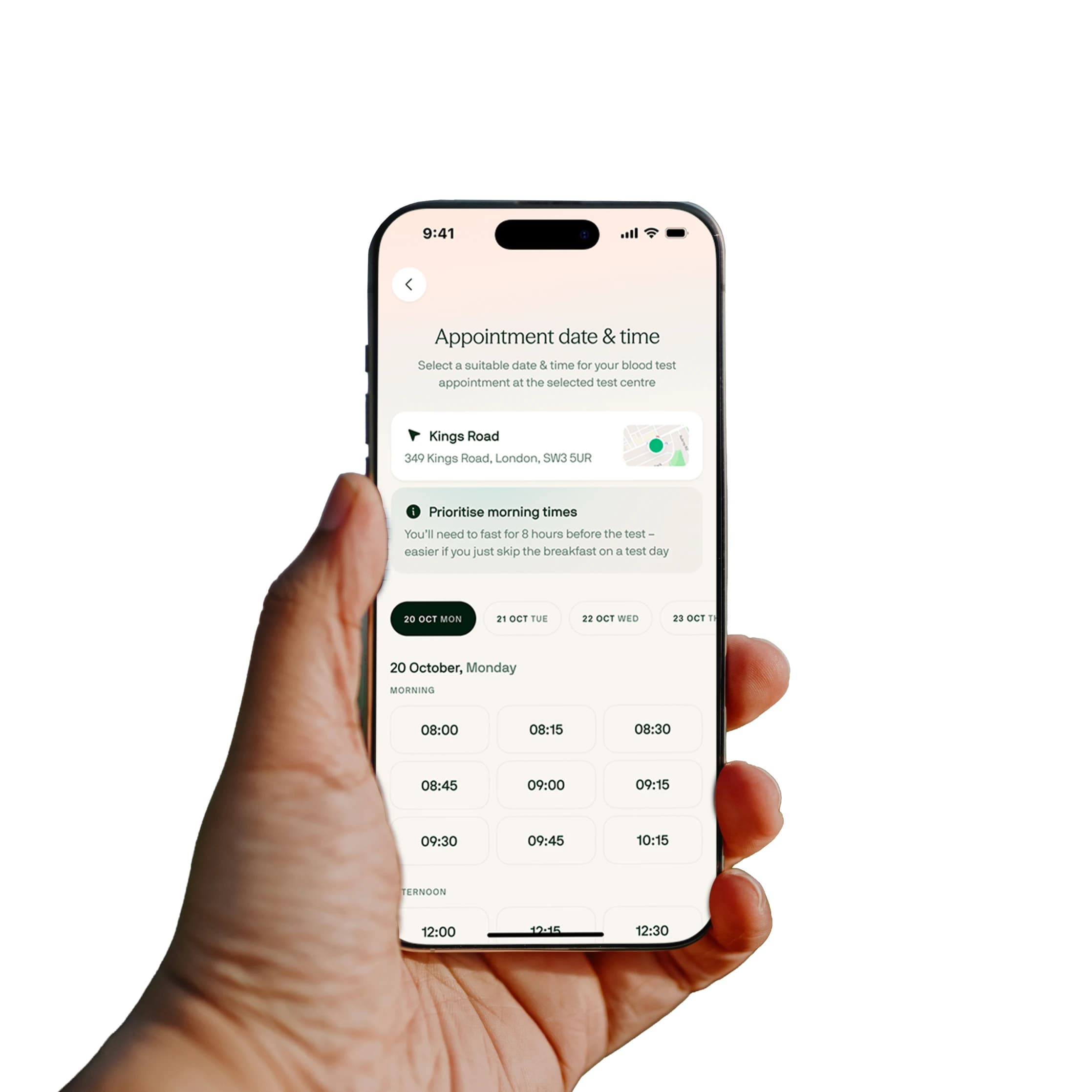


Do Health membership


Know your body.
Own your health.
See what your biomarkers mean, what to focus on, and how your health changes over time.