


What is RBC Count?
 Written by Dr Robin Wang
RBC Count is the number of red blood cells in a set volume of blood. It is counted directly rather than worked out from other measures.
Why does RBC Count matter?
Haemoglobin describes what red cells contain and Haematocrit the volume they take up. Neither says how many cells there are, and that is what this count adds.
How does RBC Count relate to other markers?
MCV, the average size of one red cell, multiplied by RBC Count gives Haematocrit, so any two of the three fix the third. When haematocrit moves, the count is what separates a change in how many cells there are from a change in how big they are.
What affects RBC Count?
The bone marrow makes new red cells while older ones are cleared at the end of their life, and the count sits between the two. A shortage of iron or illness in the marrow slows production; bleeding or faster destruction of cells raises the rate at which they are lost.
Why Do Health tests RBC Count once a year
A red cell lives roughly 120 days, so a change in what the marrow is producing takes months to work through into the number circulating. Measurements a year apart are far enough separated that a genuine change in production or clearance shows in the count, rather than the day-to-day fluctuation between samples. This is Do Health's monitoring schedule, not a general recommendation for everyone.
How does my RBC Count compare?
16% of other users’ RBC Count results are rated below Good.
- Good84%
- Poor16%
Source
Reference method for the enumeration of erythrocytes and leucocytes
pubmed.ncbi.nlm.nih.govReviewed
Dr Robin Wang · 01/10/2026
British physician, Clinical Lead at Do Health

More in Blood cell health
A protein that stores iron, showing how much the body has in reserve.
Learn more about FerritinThe protein in red blood cells that carries oxygen around the body.
Learn more about HaemoglobinThe percentage of the blood made up of red blood cells.
Learn more about HaematocritThe average size of red blood cells, which can change when the body is low in iron, B12 or folate.
Learn more about MCVThe average amount of haemoglobin in each red blood cell.
Learn more about MCHHow concentrated haemoglobin is inside red blood cells.
Learn more about MCHCSmall cell fragments that form clots to stop bleeding.
Learn more about PlateletsThe number of white blood cells, which fight infection.
Learn more about WBC CountThe most common white blood cell, which fights bacterial infections.
Learn more about Neutrophil CountOne membership.
Life-changing results.
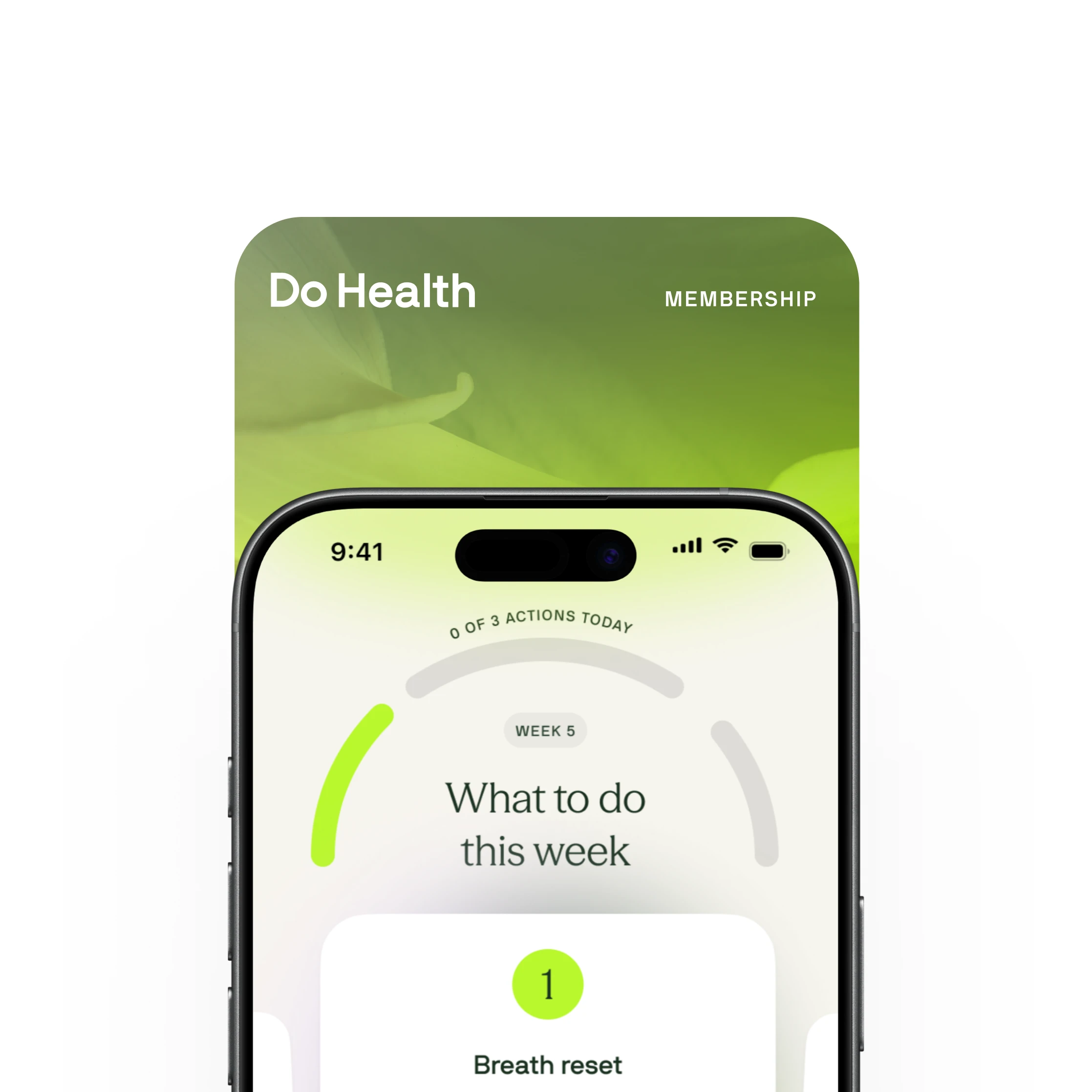
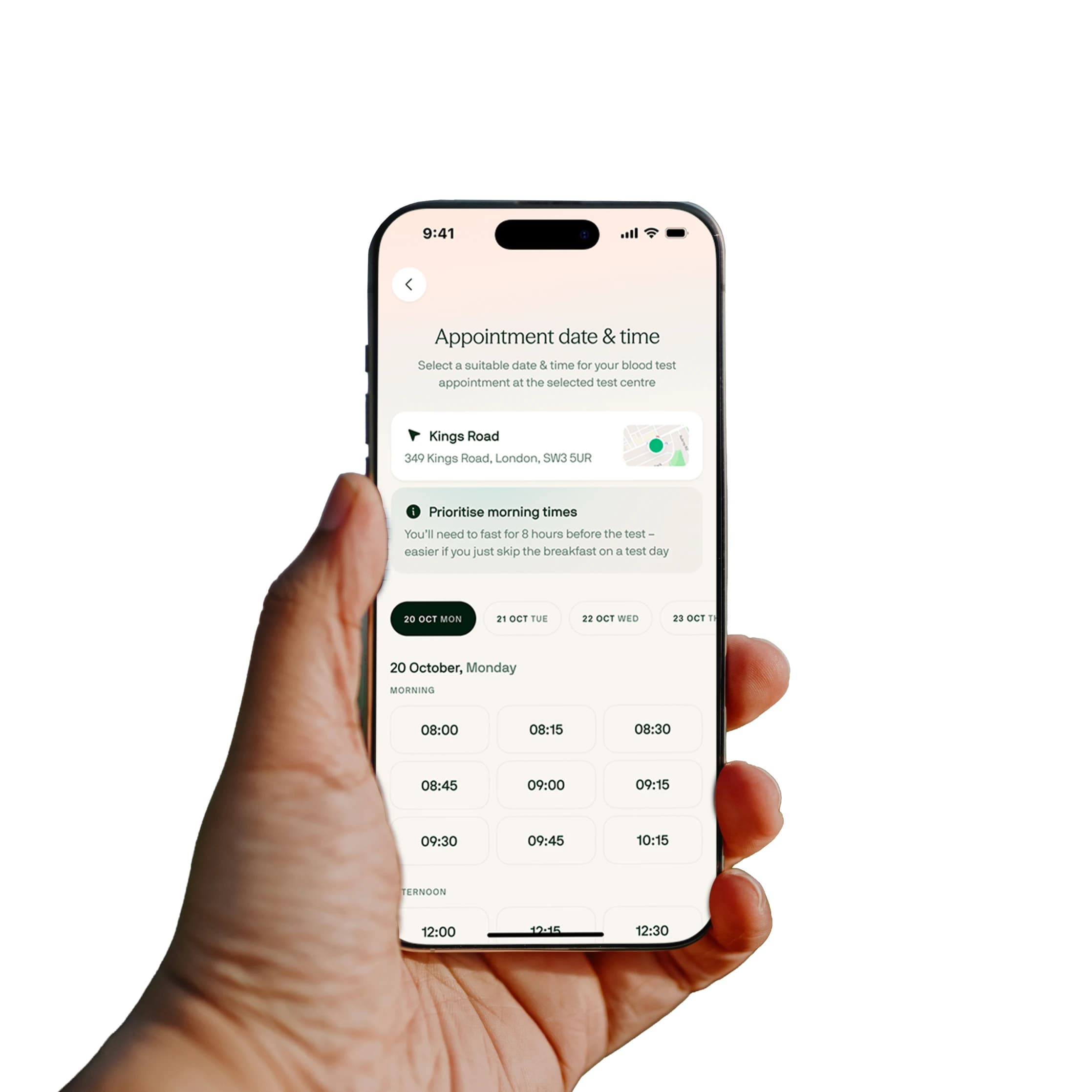

Do Health membership


Know your body.
Own your health.
See what your biomarkers mean, what to focus on, and how your health changes over time.