



What is Magnesium?
 Written by Dr Robin Wang
About half the body's magnesium is held in bone and most of the rest inside cells, so the amount a blood test measures is a sliver of the total.
Why does Magnesium matter?
Magnesium is a cofactor, a mineral an enzyme needs present before it can work: hundreds of reactions will not run without it, the ones that produce energy among them. It also helps nerves and muscles relax once they have fired.
How does Magnesium relate to other markers?
Calcium triggers nerve and muscle contraction where magnesium helps the same tissues relax, so measuring both shows whether a change in signalling belongs to one mineral or to both. A magnesium shortage makes the kidney waste potassium in urine, so the two fall together, and potassium can be the marker that moves while magnesium is the cause.
What affects Magnesium?
Intake comes from nuts, seeds, wholegrains and green vegetables. The gut adapts to how much arrives, taking up a larger share of a small intake and a smaller share of a large one, which softens the effect of diet on the blood amount. Day to day, the kidney sets the balance through how much it passes into urine.
Why Do Health tests Magnesium once a year
Blood magnesium moves across weeks as diet, gut absorption or what the kidney passes out change, not hour by hour the way sodium and potassium do. One sample therefore stands for the weeks behind it rather than the morning of the test. A year between samples is long enough that a difference between them means one of those three influences has shifted and stayed shifted. This is Do Health's monitoring schedule, not a general recommendation for everyone.
How does my Magnesium compare?
1% of other users’ Magnesium results are rated below Good.
- Good99%
- Poor1%
Source
Dietary Reference Intakes for Calcium, Phosphorus, Magnesium, Vitamin D, and Fluoride
www.ncbi.nlm.nih.govReviewed
Dr Robin Wang · 01/10/2026
British physician, Clinical Lead at Do Health

More in Kidney health
A waste product from muscles that rises when the kidneys are not filtering well.
Learn more about CreatinineHow well the kidneys filter the blood.
Learn more about eGFRA mineral that controls how much water the body holds.
Learn more about SodiumA mineral that muscles, nerves and the heart need to work.
Learn more about PotassiumA waste product of breaking down protein, cleared by the kidneys.
Learn more about UreaA mineral that builds bones and helps muscles, nerves and the heart work.
Learn more about CalciumA mineral the body needs to build bones and make energy.
Learn more about PhosphateOne membership.
Life-changing results.

Do Health membership


Know your body.
Own your health.
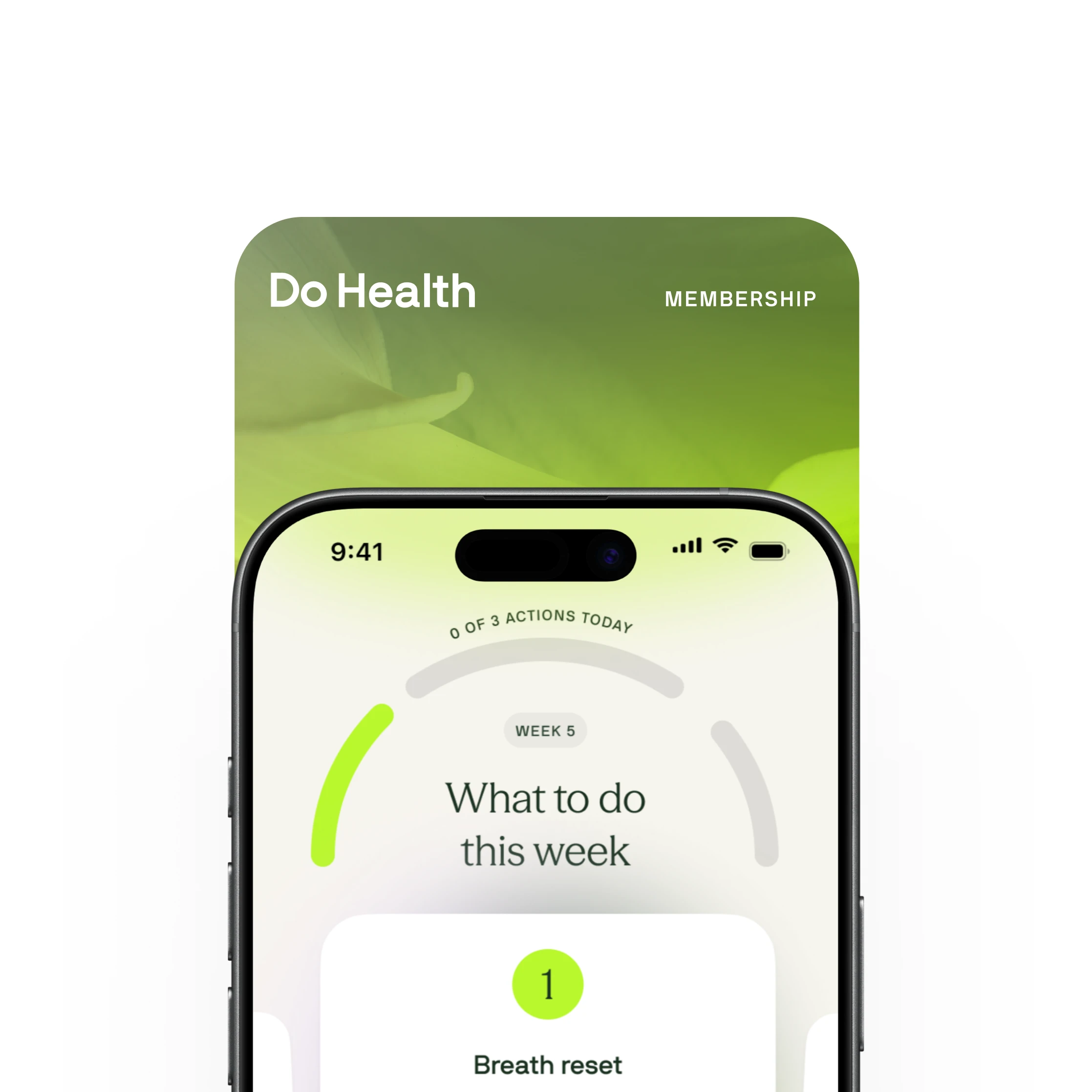
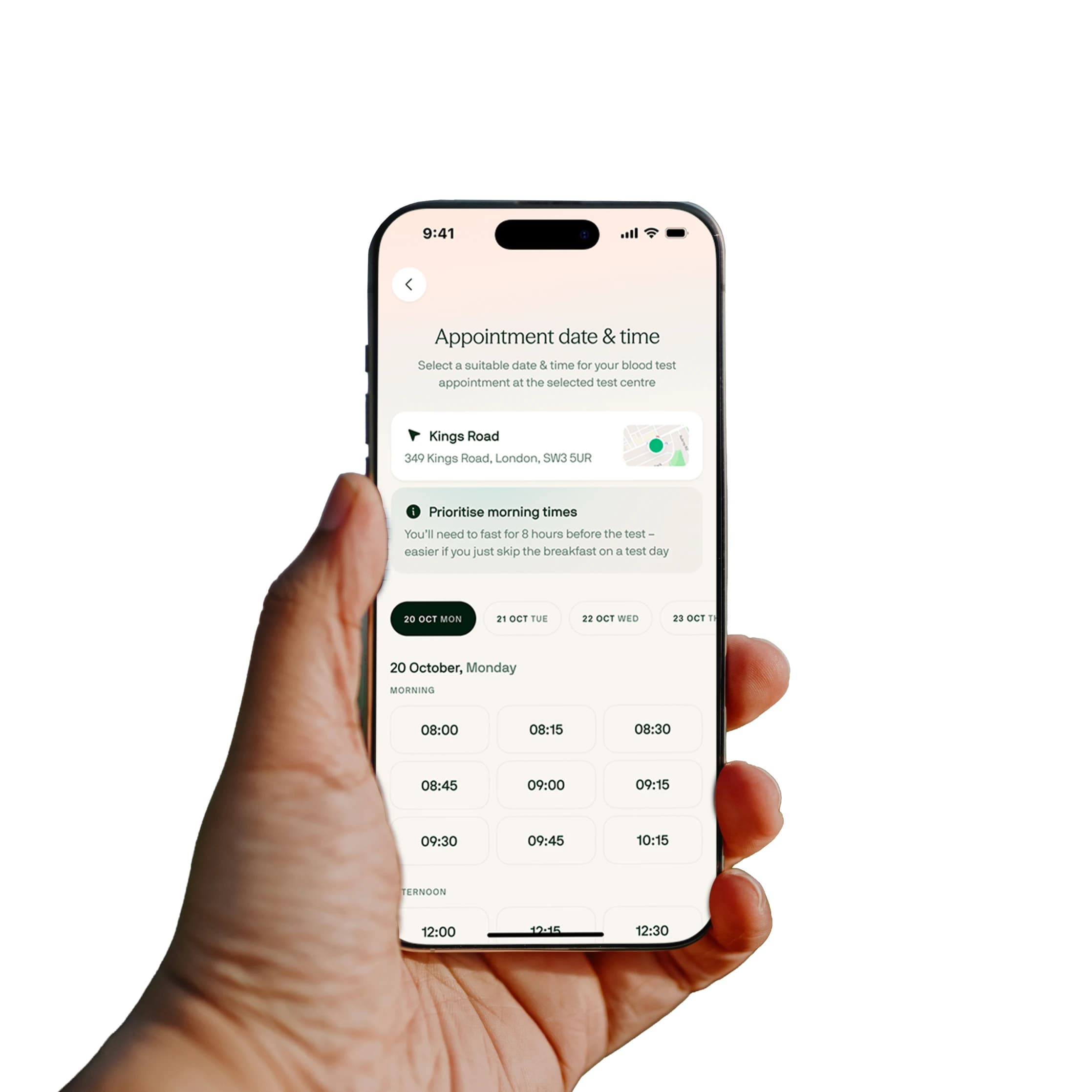
See what your biomarkers mean, what to focus on, and how your health changes over time.