



What is Urea?
 Written by Dr Robin Wang
Urea is made in the liver. Breaking down protein produces ammonia, and the liver converts that ammonia into urea, which passes into the blood for the kidneys to clear.
Why does Urea matter?
Urea production rises and falls with how much protein is being broken down. The kidney complicates that: it filters urea out and then reabsorbs part of it, and how much it reabsorbs depends on the body's fluid state. Blood urea therefore carries two signals at once, what a person has been eating and how well hydrated they are.
How does Urea relate to other markers?
Creatinine arrives at a steadier pace, because it comes from muscle rather than food. Comparing the two shows whether a change in urea belongs to the kidney or to diet and hydration. eGFR is built on creatinine alone, so it carries none of that diet and hydration signal.
What affects Urea?
Protein in the diet drives production; the body's fluid state governs how much of the filtered urea comes back. And if the kidneys are filtering more slowly, urea accumulates whatever the diet.
Why Do Health tests Urea once a year
Urea can climb within a day of a protein-heavy meal or a spell of dehydration, then fall back over the following days. Kidney filtration changes far more slowly than that. A year between measurements averages out the noise from meals and drinking, so what shows through is the kidneys' filtering rather than the last few days' habits. This is Do Health's monitoring schedule, not a general recommendation for everyone.
How does my Urea compare?
Source
KDOQI Clinical Practice Guideline for Nutrition in CKD: 2020 Update
pubmed.ncbi.nlm.nih.govReviewed
Dr Robin Wang · 01/10/2026
British physician, Clinical Lead at Do Health

More in Kidney health
A waste product from muscles that rises when the kidneys are not filtering well.
Learn more about CreatinineHow well the kidneys filter the blood.
Learn more about eGFRA mineral that controls how much water the body holds.
Learn more about SodiumA mineral that muscles, nerves and the heart need to work.
Learn more about PotassiumA mineral that builds bones and helps muscles, nerves and the heart work.
Learn more about CalciumA mineral the body needs to make energy and to keep muscles and nerves working.
Learn more about MagnesiumA mineral the body needs to build bones and make energy.
Learn more about PhosphateOne membership.
Life-changing results.
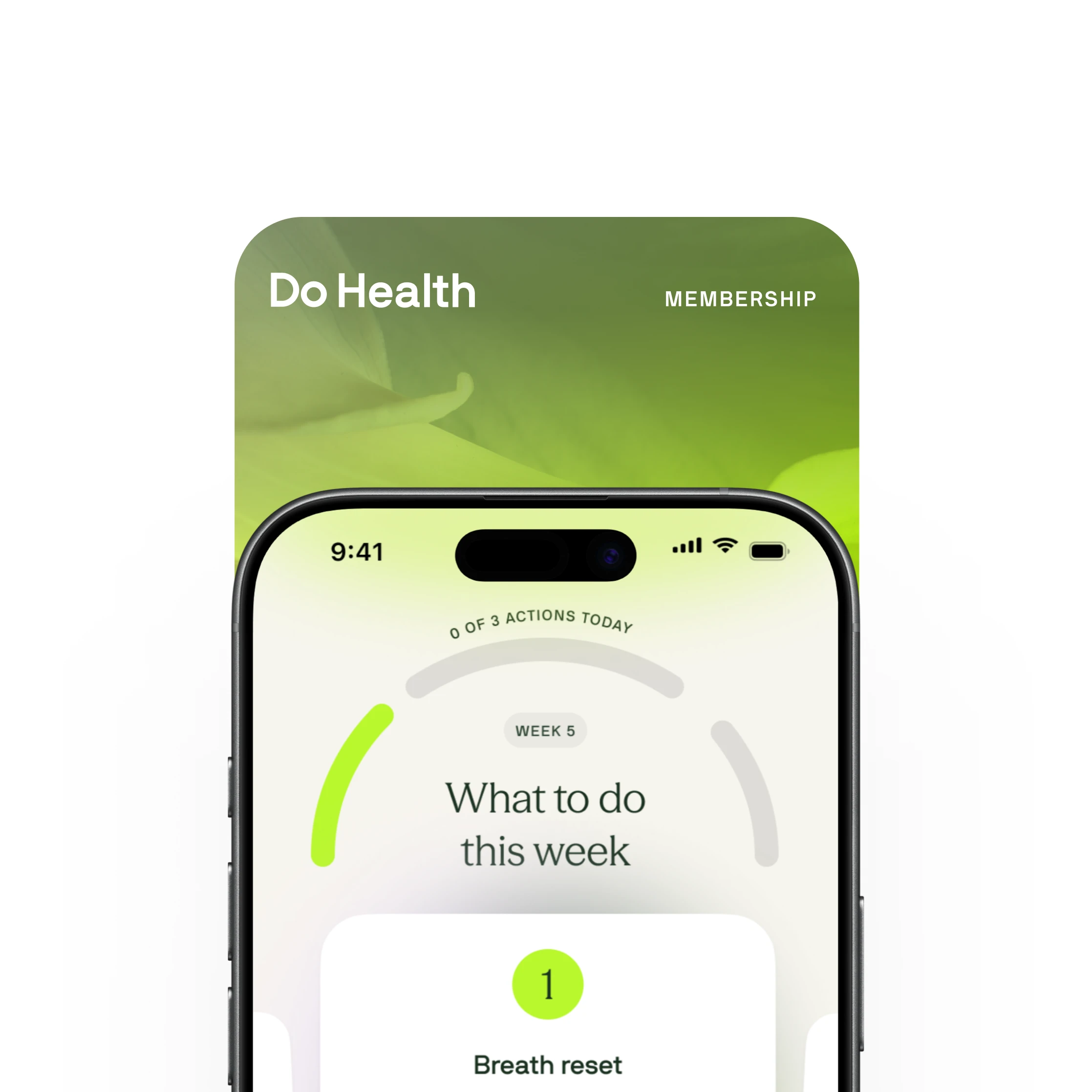
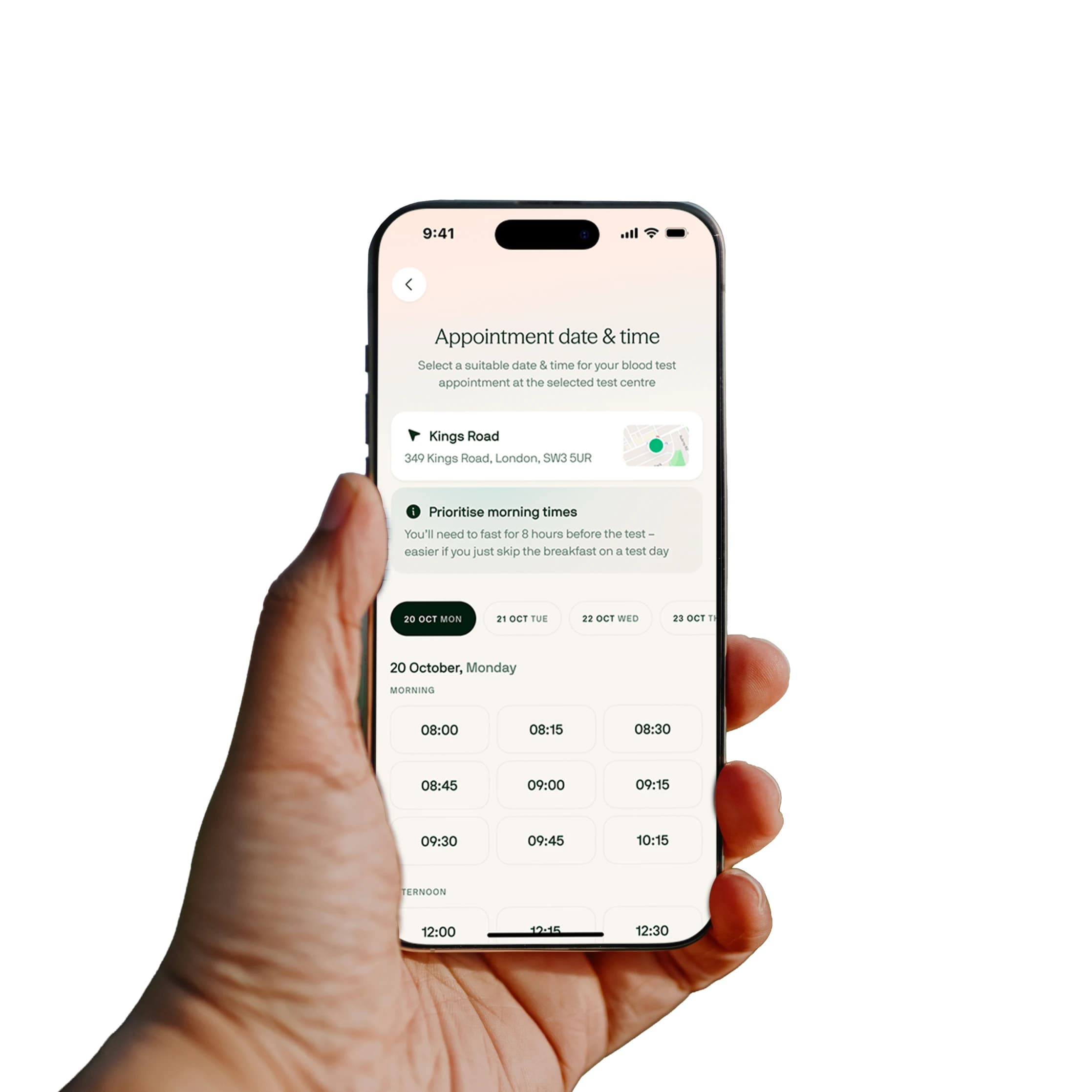

Do Health membership


Know your body.
Own your health.
See what your biomarkers mean, what to focus on, and how your health changes over time.