



What is HDL Cholesterol?
 Written by Dr Robin Wang
HDL Cholesterol is the cholesterol held inside high-density lipoproteins, the particles that carry fat and cholesterol through the blood. These particles travel in the opposite direction to most of the cholesterol in the blood, taking it from tissues around the body back towards the liver, which disposes of it.
Why does HDL Cholesterol matter?
The test reports the cholesterol sitting inside those particles, which counts what is being carried back rather than how well the carrying works. The same amount of cholesterol can sit in particles that clear tissues efficiently and in particles that do not.
How does HDL Cholesterol relate to other markers?
LDL Cholesterol and Non-HDL Cholesterol measure the cholesterol on the delivery side. Triglycerides tend to move the other way from HDL Cholesterol, and one condition pushes both: when tissues respond poorly to insulin, triglycerides rise and HDL Cholesterol falls.
What affects HDL Cholesterol?
Physical activity and body weight change how fast HDL particles are made and cleared; alcohol intake and smoking shift how many are in circulation. Much of the difference between one person and the next is inherited. Poor insulin response loads the particles with triglyceride in place of cholesterol and reduces how many there are, and the cholesterol figure shows neither change directly.
Why Do Health tests HDL Cholesterol three times a year
HDL Cholesterol responds to activity, body weight and alcohol intake over weeks to months, so each measurement stands for the stretch before it rather than for that morning. Readings about every four months divide the year into three such stretches, and a change between them has had to last weeks to appear at all. This is Do Health's monitoring schedule, not a general recommendation for everyone.
How does my HDL Cholesterol compare?
35% of other users’ HDL Cholesterol results are rated below Good.
- Optimal45%
- Good20%
- Acceptable26%
- Poor9%
Source
2019 ESC/EAS Guidelines for the management of dyslipidaemias: lipid modification to reduce cardiovascular risk
pubmed.ncbi.nlm.nih.govReviewed
Dr Robin Wang · 01/10/2026
British physician, Clinical Lead at Do Health

More in Heart health
The main type of fat in the blood, used for energy or stored.
Learn more about TriglyceridesA protein that rises with inflammation anywhere in the body.
Learn more about hs-CRPA waste product of breaking down protein, which rises when the body is low in B vitamins.
Learn more about HomocysteineA waste product that can cause gout when it builds up.
Learn more about Uric AcidThe number of cholesterol-carrying particles that can build up in artery walls.
Learn more about ApoBAll the cholesterol in the blood, LDL and HDL together.
Learn more about Total CholesterolThe main cholesterol that builds up in artery walls.
Learn more about LDL CholesterolAll the cholesterol that can build up in artery walls, not just LDL.
Learn more about Non-HDL CholesterolOne membership.
Life-changing results.
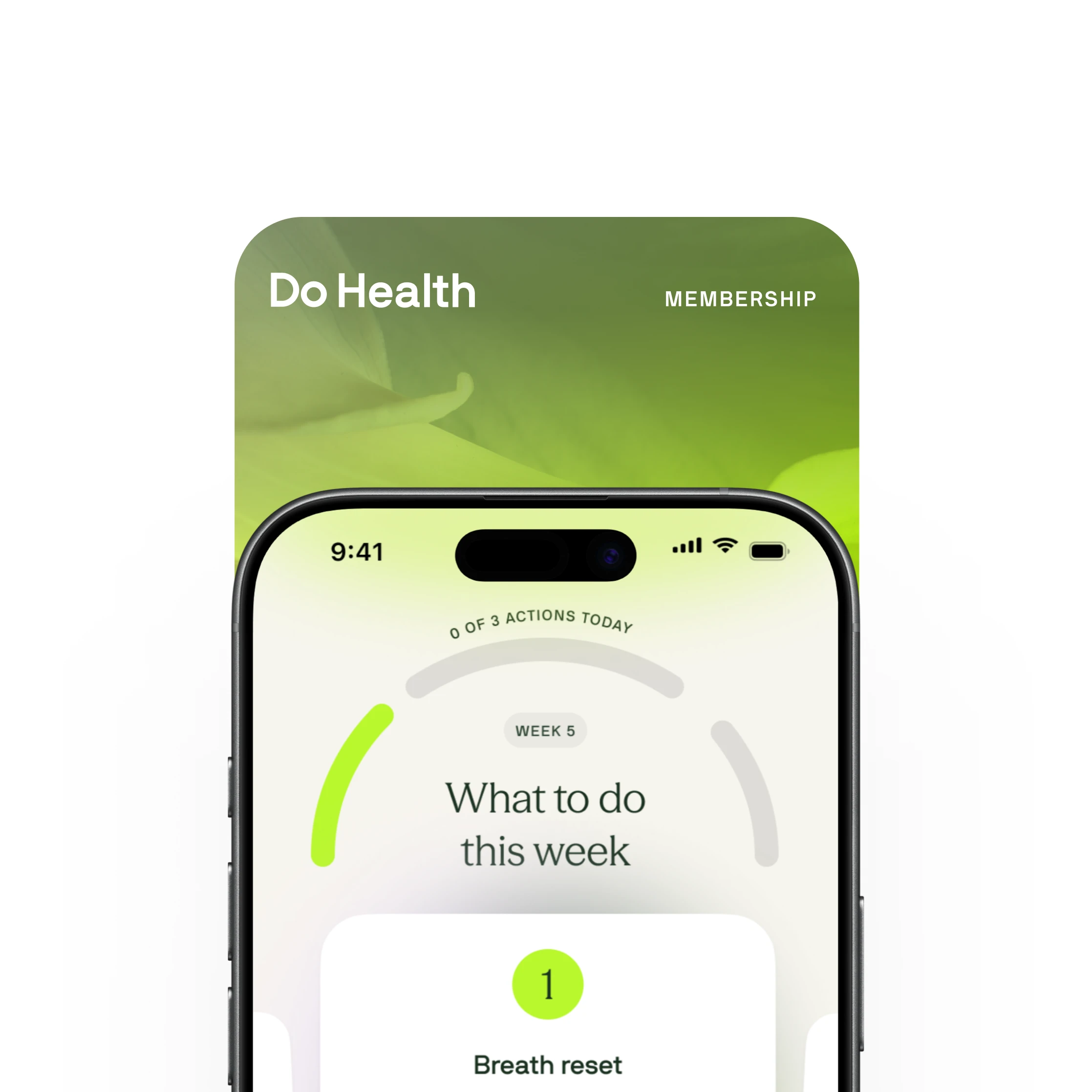
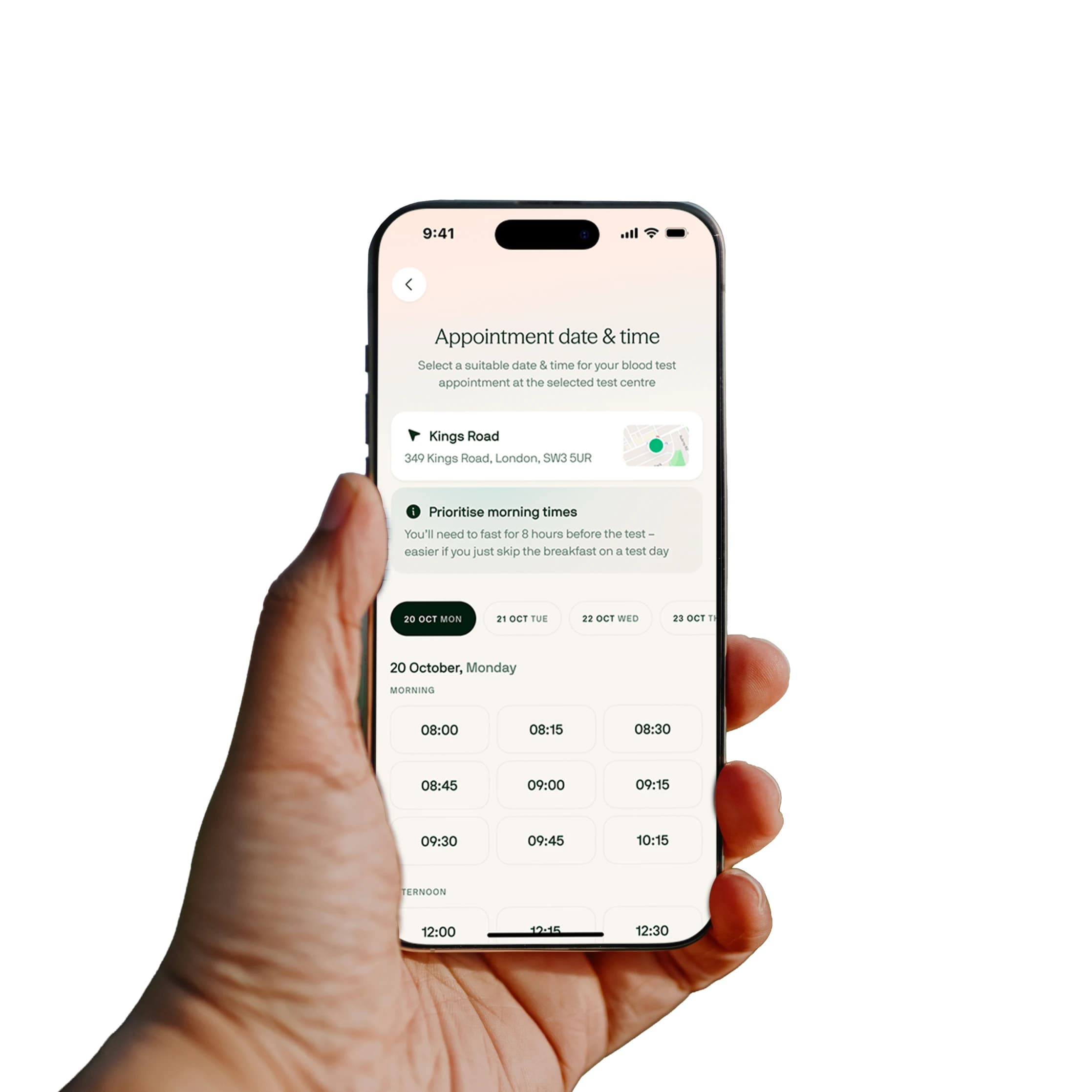
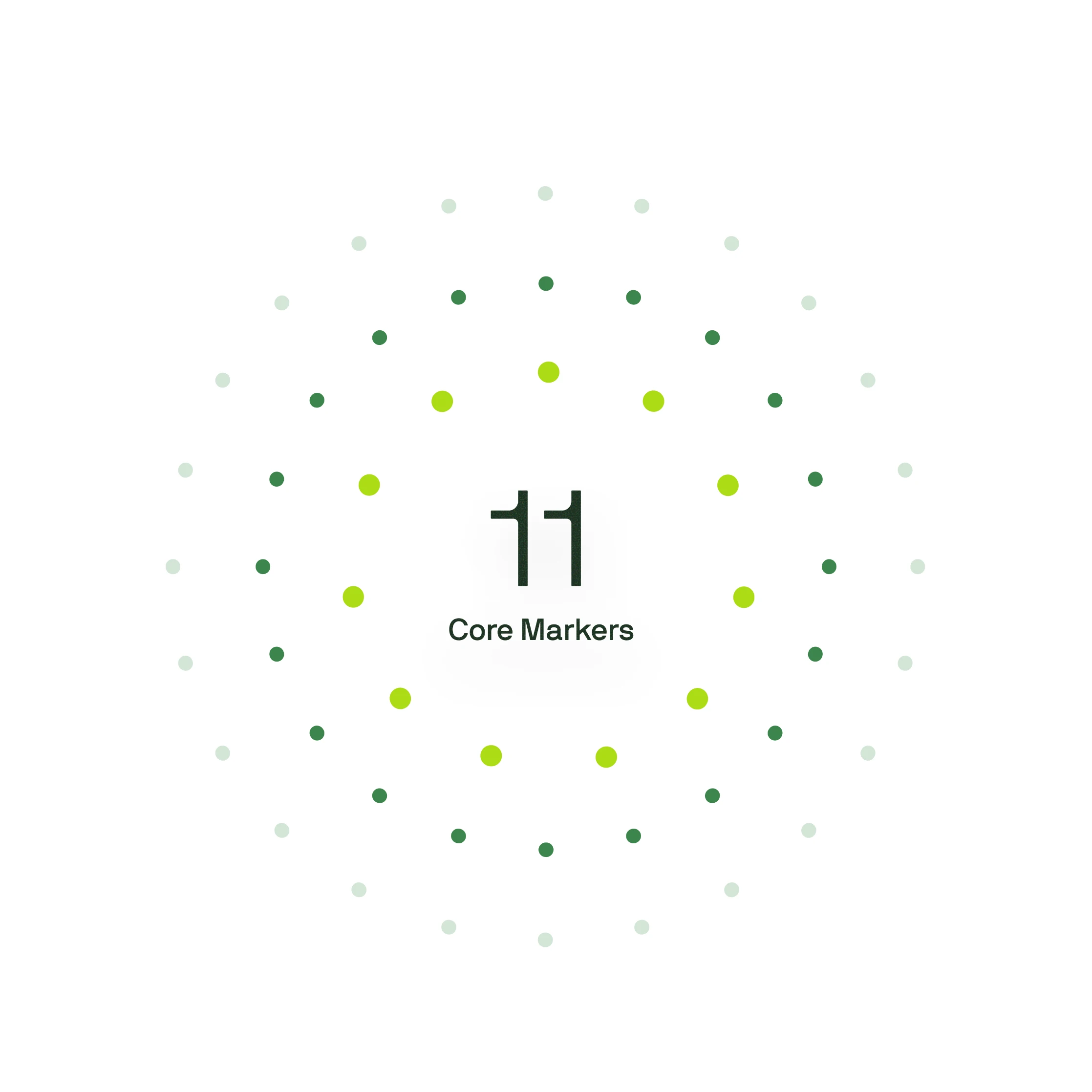

Do Health membership


Know your body.
Own your health.
See what your biomarkers mean, what to focus on, and how your health changes over time.