

 9 biomarkers
Heart health
The cholesterol that builds up in your artery walls and raises your risk of heart attack and stroke.

Heart health includes
9 biomarkers
Cholesterol carried away from the arteries to the liver to be cleared.
Learn more about HDL CholesterolThe main type of fat in the blood, used for energy or stored.
Learn more about TriglyceridesA protein that rises with inflammation anywhere in the body.
Learn more about hs-CRPA waste product of breaking down protein, which rises when the body is low in B vitamins.
Learn more about HomocysteineA waste product that can cause gout when it builds up.
Learn more about Uric AcidThe number of cholesterol-carrying particles that can build up in artery walls.
Learn more about ApoBAll the cholesterol in the blood, LDL and HDL together.
Learn more about Total CholesterolThe main cholesterol that builds up in artery walls.
Learn more about LDL CholesterolAll the cholesterol that can build up in artery walls, not just LDL.
Learn more about Non-HDL CholesterolWhat does the heart panel measure?
Cholesterol is a fat the body needs but cannot leave loose in the blood, so it travels inside particles. The panel measures total cholesterol, then LDL, which carries cholesterol out to the tissues, and HDL, which brings it back to the liver. ApoB counts the particles themselves, and triglycerides are the fat those particles transport. hs-CRP shows inflammation. Homocysteine and uric acid are waste left over from processing protein and DNA, which the body has to keep clearing.
Why does it matter?
Cholesterol left in an artery wall builds deposits that narrow it over years, and that is what causes a heart attack or a stroke. It is the particles carrying it, not the cholesterol itself, that lodge there, which is why ApoB counts them. HDL is the traffic going the other way, carrying cholesterol back to the liver. hs-CRP picks up the inflammation alongside. Uric acid causes gout, and homocysteine rises when B vitamins run short. Diet, weight and activity move how many particles are in circulation.
What else we measure
 Blood sugarHow well your body controls blood sugar, today and over the past three months.4 biomarkers
 Blood cell healthHow well your blood carries oxygen, fights infection and clots.10 biomarkers
 Kidney healthHow well your kidneys filter waste and keep minerals like sodium and potassium in balance.8 biomarkers
 Liver healthWhether your liver is being damaged by alcohol or fat.7 biomarkers
 Thyroid healthYour thyroid, which controls how fast your body uses energy.2 biomarkers
 HormonesYour sex hormones, which affect energy, mood, sex drive and fertility, and the brain signals that control them.8 biomarkers
 Vitamin levelsVitamin D, which keeps bones and muscles strong, and B12, which keeps blood and nerves healthy.2 biomarkers
One membership.
Life-changing results.
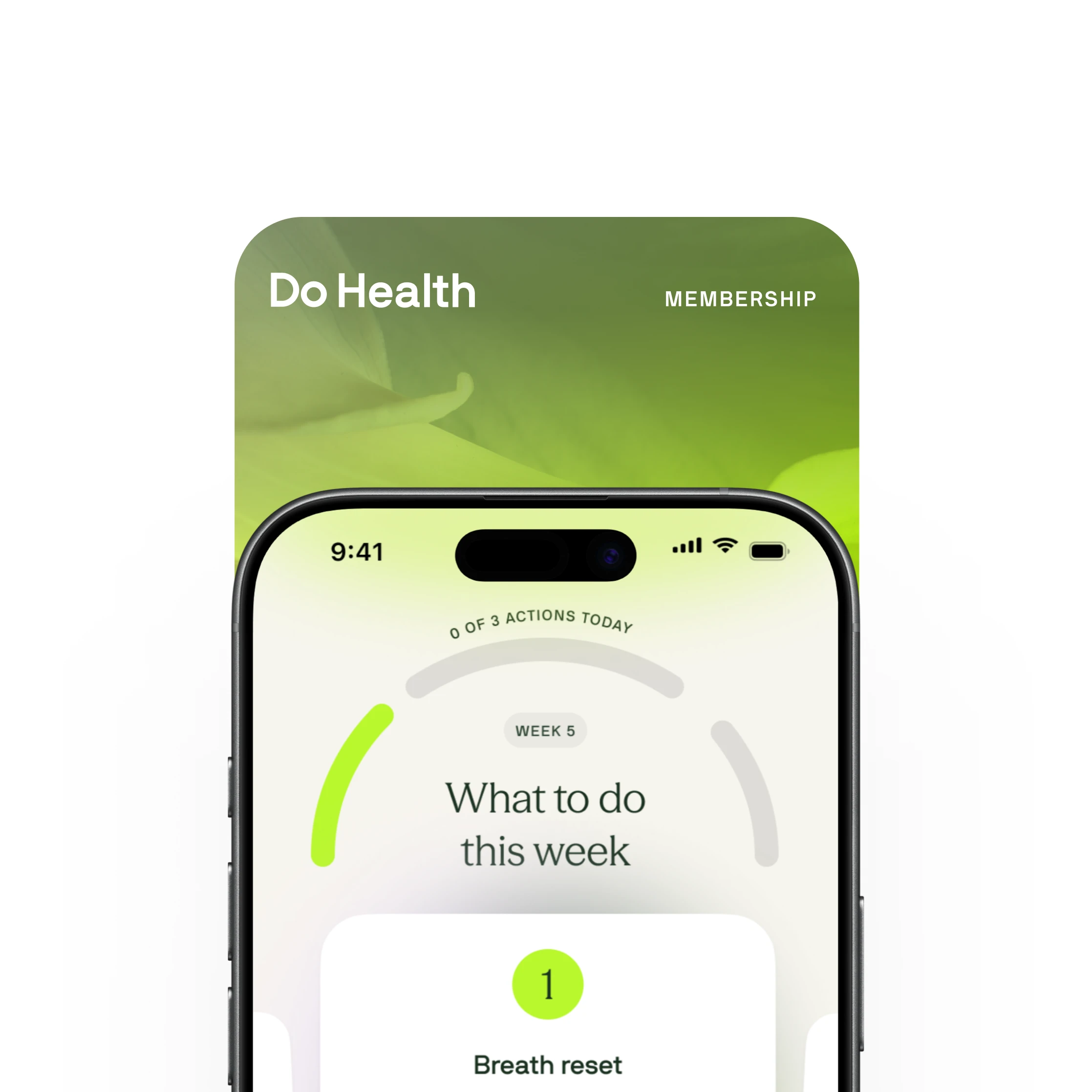
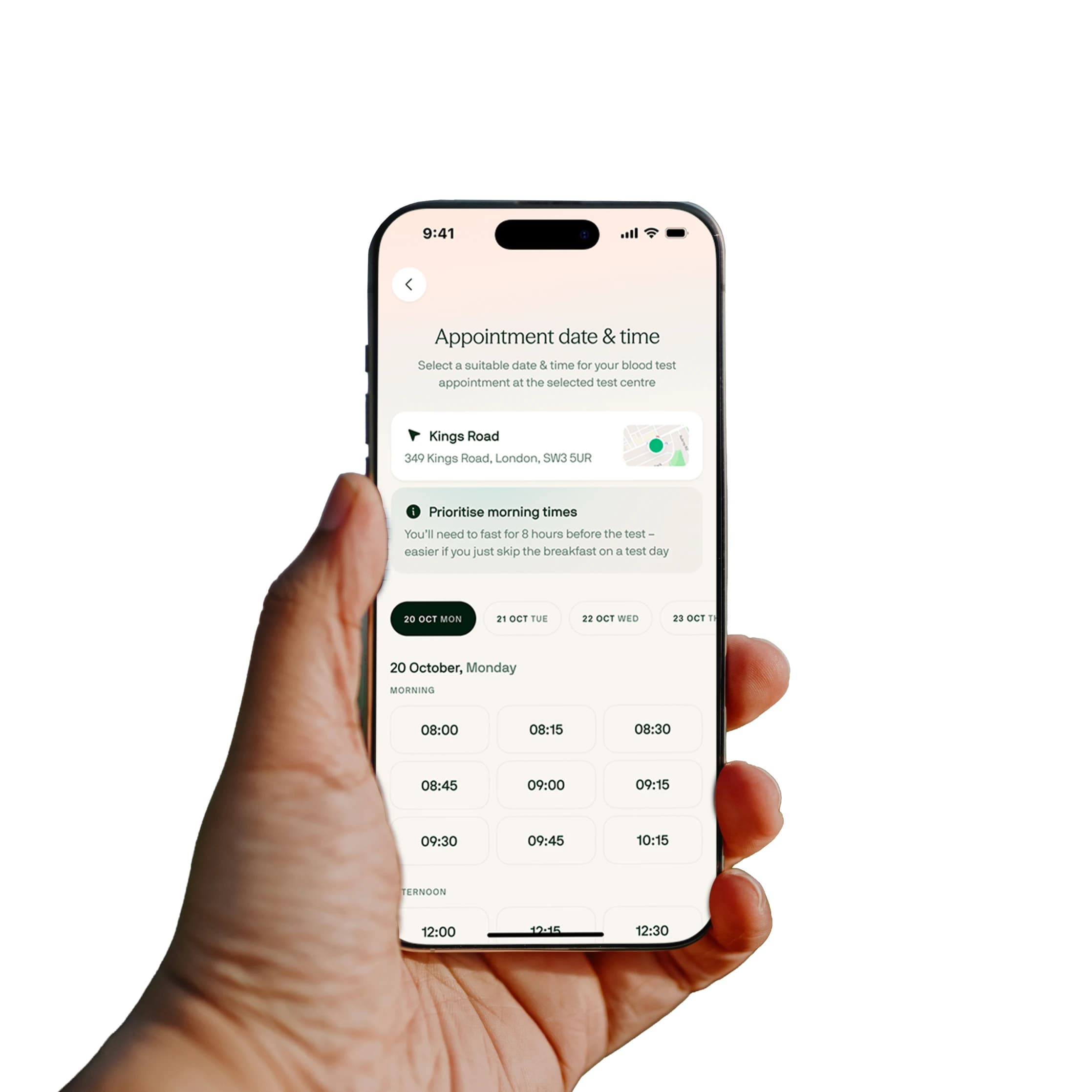
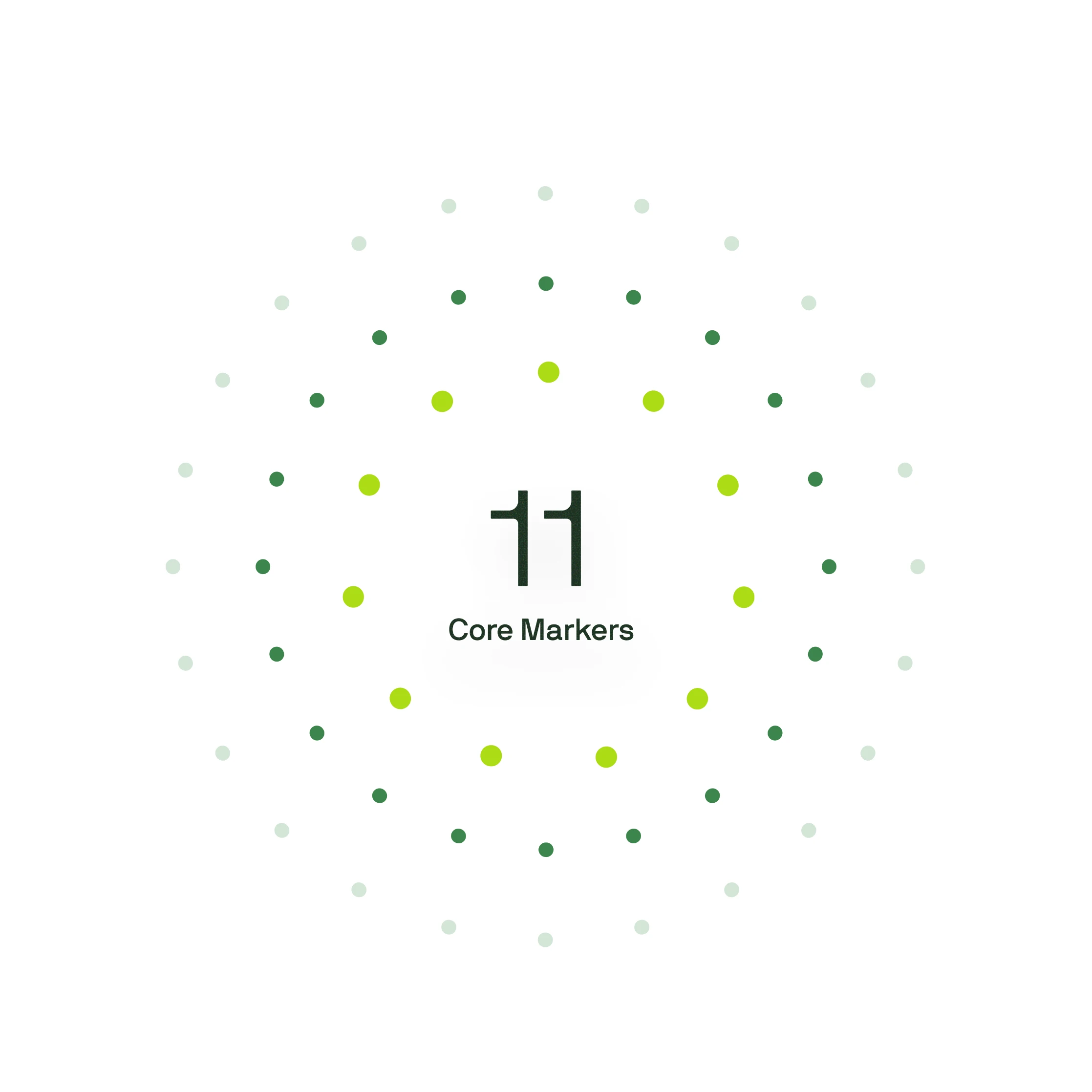
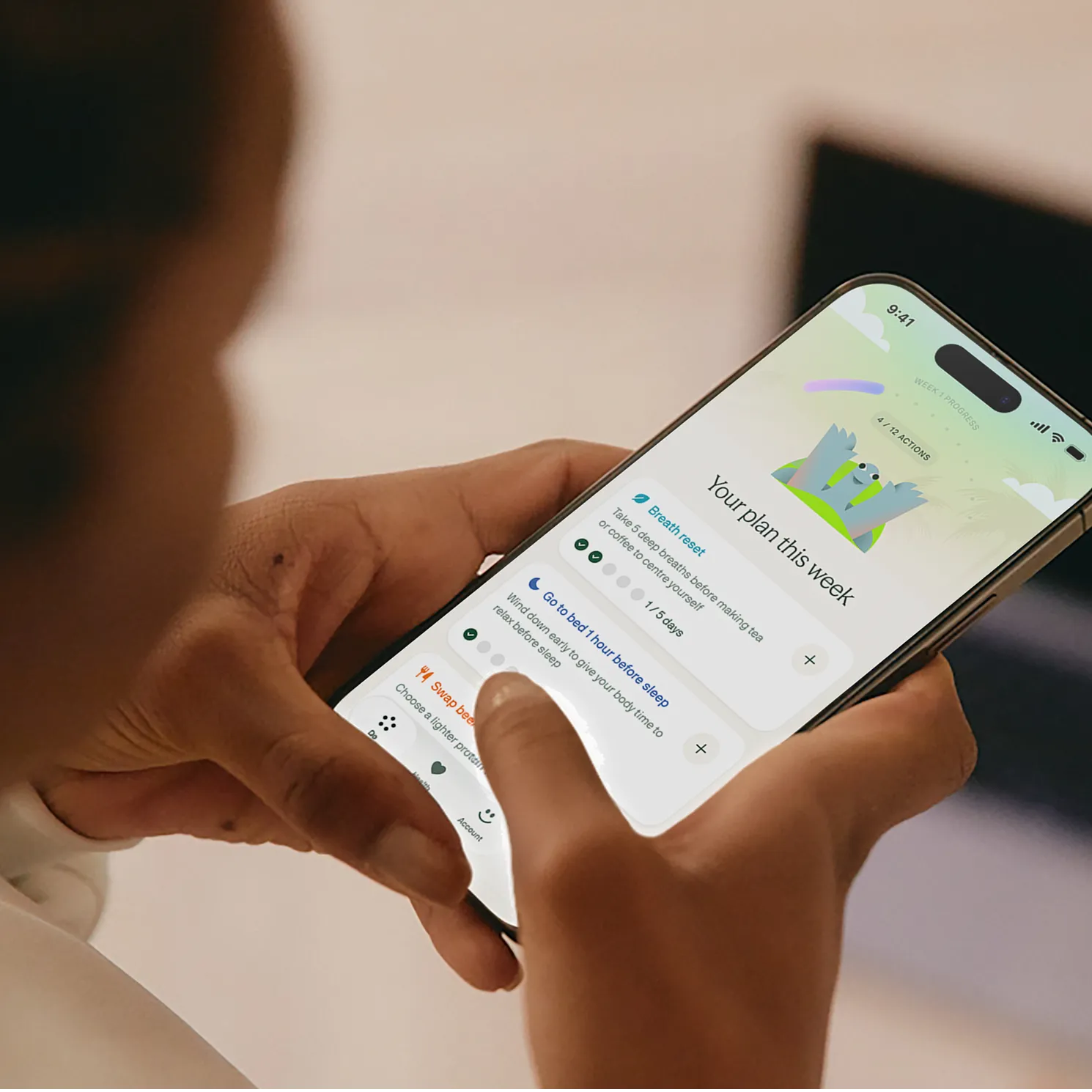
Do Health membership


Know your body.
Own your health.
See what your biomarkers mean, what to focus on, and how your health changes over time.