



What is hs-CRP?
 Written by Dr Robin Wang
hs-CRP is a sensitive measure of C-reactive protein, a protein the liver puts into the blood in response to inflammation anywhere in the body.
Why does hs-CRP matter?
C-reactive protein is part of the liver's rapid defensive reaction to signals sent by immune cells and damaged tissue. That reaction is the same wherever the trouble is: an infection, a tissue injury and an inflamed joint all produce it, so hs-CRP says inflammation is happening and not where.
How does hs-CRP relate to other markers?
WBC Count and Neutrophil Count show how many immune cells are in circulation; hs-CRP shows how strongly the liver has answered them.
What affects hs-CRP?
An infection or a tissue injury raises hs-CRP sharply. Steadier influences run underneath that: obesity, smoking and persistent joint or metabolic inflammation all keep a mild signal going. Age and sex shift the usual amount in the blood even when there is no infection or injury.
Why Do Health tests hs-CRP three times a year
hs-CRP climbs within six to eight hours of an infection, peaks around two days later, then falls away over one to two weeks. One measurement cannot tell a passing cold from a signal that never switches off. Readings about every four months can: a two-week episode rarely lands in more than one of them, and a persistent signal lands in all. This is Do Health's monitoring schedule, not a general recommendation for everyone.
How does my hs-CRP compare?
23% of other users’ hs-CRP results are rated below Good.
- Optimal55%
- Good22%
- Acceptable9%
- Poor14%
Source
Inflammation and Cardiovascular Disease: 2025 ACC Scientific Statement: A Report of the American College of Cardiology
pubmed.ncbi.nlm.nih.govReviewed
Dr Robin Wang · 01/10/2026
British physician, Clinical Lead at Do Health

More in Heart health
Cholesterol carried away from the arteries to the liver to be cleared.
Learn more about HDL CholesterolThe main type of fat in the blood, used for energy or stored.
Learn more about TriglyceridesA waste product of breaking down protein, which rises when the body is low in B vitamins.
Learn more about HomocysteineA waste product that can cause gout when it builds up.
Learn more about Uric AcidThe number of cholesterol-carrying particles that can build up in artery walls.
Learn more about ApoBAll the cholesterol in the blood, LDL and HDL together.
Learn more about Total CholesterolThe main cholesterol that builds up in artery walls.
Learn more about LDL CholesterolAll the cholesterol that can build up in artery walls, not just LDL.
Learn more about Non-HDL CholesterolOne membership.
Life-changing results.
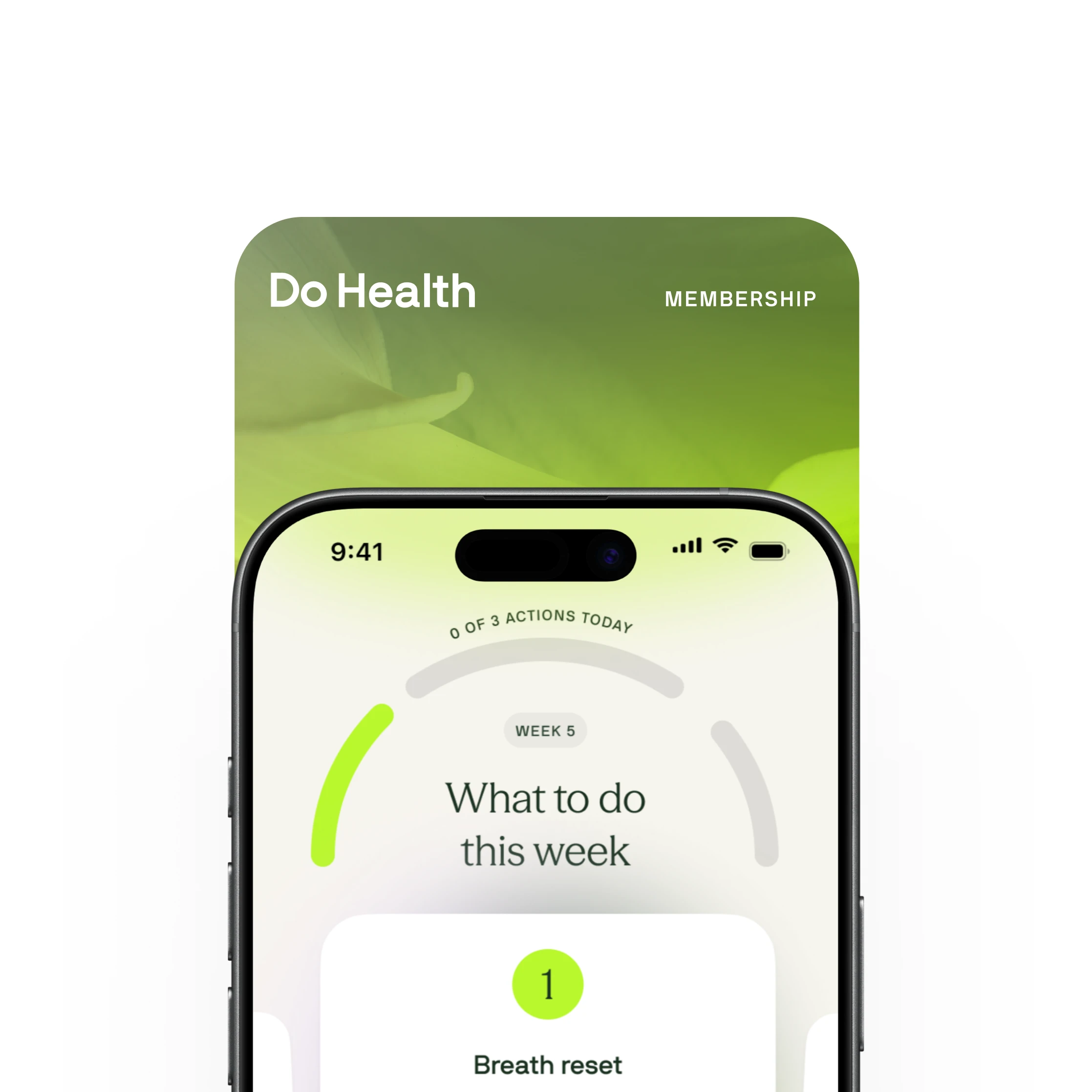
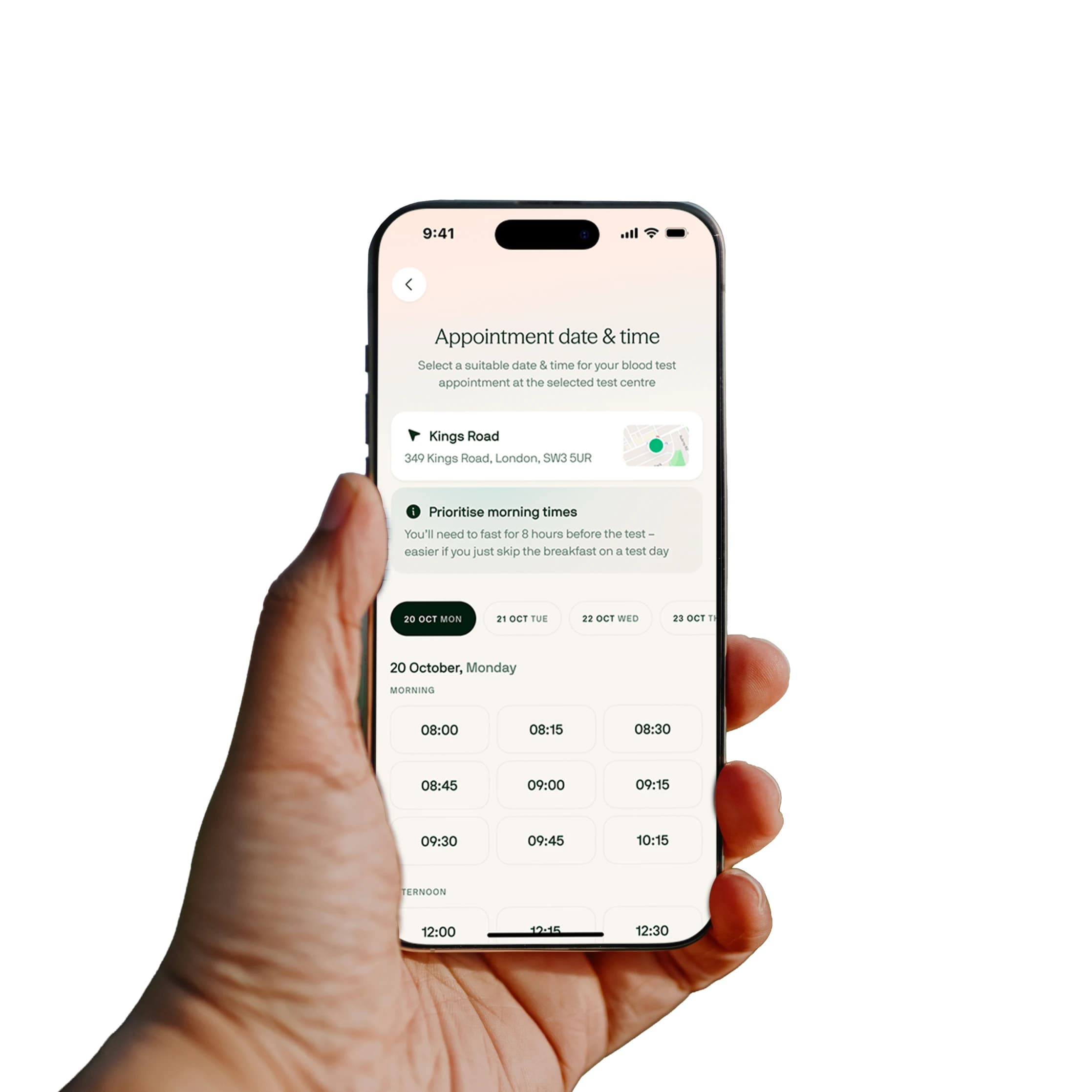


Do Health membership


Know your body.
Own your health.
See what your biomarkers mean, what to focus on, and how your health changes over time.